
Picking blinds sounds simple until you’re standing in front of a wall of samples wondering why slat width even matters. Your choice affects your energy bills and how well you sleep at night. This guide breaks down the different types of blinds available today and matches them to the rooms and conditions you actually deal with in a Chicagoland home. We’ve spent over 80 years helping families across the region solve exactly this problem. If you want to skip ahead and see what’s possible, you can explore our custom blinds options anytime.
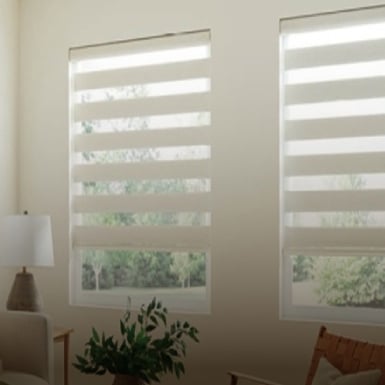
Why the Right Blinds Matter for Every Room
Blinds do more than cover a window. They control how much light enters a room, how private you feel from the street or your neighbor’s kitchen window, and how hard your HVAC system has to work. The wrong choice in a sunroom can fade a couch within a couple of years. The right choice in a bedroom can mean the difference between waking up at dawn and actually sleeping in. UV is the single largest cause of furniture fading, with visible light and solar heat accounting for most of the rest. The types of window blinds for homes you’re comparing are doing real protective work, not just decorative work.
Popular Types of Blinds and Their Best Uses
Understanding the different types available is the first step, and it’s where most homeowners get stuck. Below, we break down the major categories by feature and best-fit use, without ranking one as universally superior. The best window covering depends entirely on the room you’re outfitting.
Faux Wood and Real Wood Blinds
Faux wood resists moisture and heat, doesn’t warp, and wipes clean easily, which makes it a practical pick almost anywhere in the house.
- Faux wood holds up in humid rooms where real wood would eventually crack or warp.
- Real wood brings a natural grain and warmth that faux wood can’t fully replicate, but it isn’t recommended for bathrooms or kitchens, where moisture will eventually get to it.
- Slats typically come in 2-inch and 2.5-inch widths, with the wider option opening up a slightly better view when tilted.
Best use: living rooms and bedrooms for real wood, kitchens and kids’ rooms for faux wood, thanks to its durability in high-traffic spaces.
Cellular (Honeycomb) and Roman Blinds
Cellular shades trap air inside their honeycomb structure, and that structure is what makes them so good at insulating a room.
- Cellular shades can cut unwanted solar heat gain by up to 60% when properly fitted, which matters a lot during Chicago summers.
- Dedicated blackout cellular options use a side-channel light-seal system for near-total room darkening.
- Roman shades add soft fabric folds and a tailored look, but they’re not a fit for high-moisture rooms.
Best use: bedrooms, nurseries, and home offices for cellular shades where temperature control matters, and living or dining rooms for roman shades where moisture isn’t a concern.
Roller and Blackout Blinds
Roller shades come in sheer, light-filtering fabric or fully opaque blackout material, giving you real range in one simple mechanism.
- Vinyl roller shades resist moisture outright, making them a reliable choice for kitchens and bathrooms.
- Dual-fabric roller shades combine light-filtering and room-darkening layers in a single shade, so you get flexibility without buying two separate treatments.
- Blackout versions are the standard for media rooms and any bedroom where total darkness is the goal.
Best use: kitchens and bathrooms for vinyl rollers, bedrooms and media rooms for blackout rollers.
Venetian and Vertical Blinds
Vertical blinds belong on sliding doors and large glass expanses, while venetian-style horizontal blinds are built for standard windows.
- Aluminum venetian blinds resist moisture and bounce back from bumps, which suits busy households with kids or pets.
- Vertical blinds in fabric, vinyl, or aluminum handle tall windows and patio doors without the drooping some horizontal styles show at larger sizes.
- Gliding vertical panels can double as room dividers, which is handy in open-concept offices or shared living spaces.
Best use: sliding doors and patio walls for verticals, standard windows and high-traffic rooms for aluminum venetians.
Living Room Blinds: Balancing Light and Style
Living rooms need window coverings that flex between entertaining, relaxing, and everyday light management. For living room spaces, we usually point homeowners toward light-filtering roller shades or cellular blinds in a mid-tone fabric that softens direct sun without darkening the whole room.
If your living room faces west, a dual-fabric roller gives you sheer coverage during the day and a room-darkening layer for movie nights, which tends to work best when one window has to do double duty. Wood or faux wood venetians also work well when you want more architectural texture in the room.
Bedroom Blinds: Privacy and Restful Darkness
Bedrooms exist to help you sleep, and that shapes almost every material decision. Blackout cellular shades or blackout roller shades block streetlight and early sunrise glare, and the honeycomb structure adds a layer of insulation that keeps the room from swinging too hot or cold overnight.
For families with young kids, we lean toward cordless lift systems, which matter for safety reasons we cover further down. Softer, muted fabric tones also help the room feel calmer, which matters more than people expect once the lights go out.
Kitchen and Bathroom Blinds: Moisture and Durability Needs
Kitchens and bathrooms punish window treatments with steam and grease day after day. Faux wood and aluminum blinds resist moisture outright and wipe clean in seconds, so warping and staining aren’t a concern. Vinyl roller shades perform the same way and give you a cleaner, more minimal look if you’re not into slats. Whatever you choose, avoid real wood and unlined fabric romans in these rooms. They’ll hold moisture and degrade faster than the material is designed for.
Home Office and Kids’ Rooms: Glare Control and Safety
A home office needs glare control that doesn’t require constant fiddling. Cellular shades and roller shades adjust easily and cut screen glare without blacking out the whole room, which keeps video calls looking natural.
Kids’ rooms carry a different priority: safety. Cordless lift mechanisms are the safer, recommended choice for any room where young children spend time, since they eliminate free-hanging cords that a toddler could reach. The current safety standard, ANSI/WCMA A100.1-2022, took effect June 1, 2024 and applies to everything manufactured after that date. Stock blinds sold in stores and online have to be cordless or have inaccessible cords. The bigger change hit custom products, which can no longer use free-hanging operating cords, free-hanging tilt cords, or multiple cords running into a single connector. Continuous cord loops and bead chains are also out on custom horizontal slatted blinds. For durability, faux wood or cellular shades in bright, playful colors hold up well against daily wear and tear in an active kid’s room.
Chicagoland Considerations: Sun, Humidity, and Privacy
Chicago sits in a hot-summer humid continental climate zone, with average annual humidity hovering around 69%, dipping to roughly 64% in May and climbing to about 76% in December. That swing matters when you’re choosing materials that need to hold their shape through both a sweaty August and a damp December. On top of humidity, homeowners across Chicagoland deal with intense seasonal sun angles and close-set suburban lots that make privacy a real design consideration, not an afterthought.
Managing Harsh Afternoon Sun
West- and south-facing windows catch long, intense afternoon sun, and homes near the lakefront get it twice over as light reflects off Lake Michigan. That exposure accelerates fading on floors and furniture. Cellular shades help here twice over, cutting solar heat gain by up to 60% in summer while also reducing winter heat loss, so the same shade earns its keep in both seasons. For rooms that see the harshest glare, light-filtering or blackout fabrics limit UV exposure and protect the room’s finishes over time.
Privacy Solutions for Close-Set Suburban Homes
Homes packed tightly together need privacy that doesn’t sacrifice daylight. Top-Down/Bottom-Up shades solve this directly: you drop the top of the shade for natural light while keeping the bottom raised so passersby can’t see in. It’s one of the more practical features we recommend to homeowners in the Western and Southwest suburbs dealing with neighbors just a few feet away.
If you’re managing multiple hard-to-reach windows in a high-rise condo or a multi-story suburban home, motorized shades let you adjust Top-Down/Bottom-Up privacy settings without a step ladder. Ready to talk through your specific windows? You can book a free consultation with our design team at any point in this process.
How to Choose the Best Blinds for Your Home
Choosing blinds comes down to a few honest questions about each room. Think about what the room is actually used for and when the sun hits hardest. Weigh how much privacy you need against how much light you’re willing to give up, and think through the moisture, mess, and small hands the material has to survive.
Once you’ve answered those, match the room’s needs to the features we covered above rather than picking based on looks alone. Custom-fit solutions matter here too, since off-the-shelf sizing rarely accounts for the frame depth, obstructing hardware, or slightly uneven openings common in older Chicagoland homes.
Get Expert Guidance from Drapery Connection
Why Homeowners Trust Us
We’ve spent over 80 years, across four generations of the same family business, helping Chicagoland homeowners make exactly these decisions. Every product we make is fully custom, built from your choice of fabrics, finishes, mechanisms, motorization, linings, and hardware, not pulled off a shelf. Our free in-home consultation brings curated samples right to your space, and our designers take precise measurements so the fit is right the first time.
Visit Us or Get Started
We serve homeowners throughout Chicagoland, including the Western, Southwest, and Northwest suburbs, from showrooms in Downers Grove and Lincolnshire. Our Lincolnshire showroom inside Toms Price Home is open seven days a week for walk-ins, and Downers Grove runs by appointment so a designer can give you their full attention.
Still in the browsing phase? Download our style guide to compare materials and finishes room by room at your own pace. If you’re ready to move past research and get real recommendations, contact our design team and we’ll help you find the right fit for every room in your home.